
How often should you keep your car serviced?
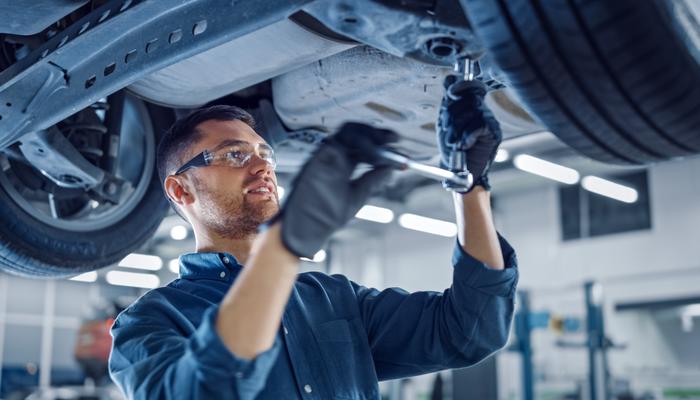
As Zurich content, this guide is designed to give drivers clear, practical and trustworthy advice on everyday car ownership. Zurich Insurance has been protecting customers in Ireland for the last 75 years. With experience supporting motorists across Ireland, Zurich helps make important topics like car maintenance, safety and insurance easier to understand and act on with confidence.
Table of contents
- How often should you keep your car serviced?
- Signs your car needs servicing.
- What happens if you do not service your car?
- Can irregular car servicing affect your car insurance premium?
- Keep your car safe and road ready.
How often should you keep your car serviced?
Keeping your car regularly serviced is one of the simplest ways to stay safe on the road, avoid costly repairs and protect your car’s value over time.
In Ireland, most cars should be serviced at least once a year or every 10,000 to 20,000 kilometres, depending on your driving habits and your manufacturer’s guidelines.
Under Irish law, drivers are legally required to keep their car in a safe and roadworthy condition at all times and using an unroadworthy car in a public place can result in fines or penalties.
Regular servicing helps reduce the risk of mechanical failure and keeps your car running safely and efficiently for you, your passengers and other road users. The Road Safety Authority (RSA) recommends routine maintenance as an important part of improving road safety and preventing avoidable issues.
In this guide, we explain how often you should service your car, what can happen if you skip servicing, and how to recognise when your car may need attention sooner.
Signs your car needs servicing sooner
In Ireland, the national car fleet is ageing. According to the Society of the Irish Motor Industry (SIMI), the average car is now 9.9 years old. With a substantial portion of cars now 10 years or older, many are firmly in the "high-maintenance" bracket. These older cars have a higher statistical likelihood of mechanical failure, making that "once a year" service even more critical for your safety and your wallet.
Even if you are within your usual service interval, it is important to stay alert to early warning signs that your car may need attention sooner. Ignoring these can lead to more serious and costly problems over time.
Some common signs to watch for include:
Dashboard warning lights: Engine, oil or service lights can indicate underlying issues and should not be ignored
Unusual noises:Grinding, knocking or squealing sounds may point to worn or damaged components
Reduced fuel efficiency: A noticeable drop in fuel efficiency can be a sign of engine or filter problems
Difficulty starting the car: This may be linked to the battery, ignition or fuel system
Vibrations or pulling while driving: Often caused by issues with tyres, wheel alignment or suspension
Braking issues: Longer stopping distances or an unusual brake pedal feel should be checked as soon as possible
If you notice any of these signs, it is best to arrange a service rather than waiting for your next scheduled interval.
What happens if you do not service your car?
Skipping regular servicing can lead to a range of issues over time. These include:
- Increased wear and tear on engine components.
- Higher fuel consumption.
- Greater risk of breakdowns.
- More expensive repairs in the long term
Small issues such as low oil or worn brake pads can become more serious if they are not addressed early. Problems like worn tyres, faulty lights or brake imbalances are also common reasons cars fail safety checks such as the NCT, many of which can be identified and resolved during routine servicing.
According to the Central Statistics Office Consumer Price Index, the cost of services, including car maintenance and repair, increased by 2.9% in 2025. This highlights a steady rise in the cost of maintaining personal transport.
While skipping a service may seem like a way to save money in the short term, rising repair costs mean that avoidable issues such as engine damage can become significantly more expensive over time.
Keeping your car well maintained helps reduce the risk of unexpected problems and makes it easier to stay on top of roadworthiness requirements.
Can irregular car servicing affect your insurance?
Keeping your car properly maintained can play an important role in your insurance.
While insurers do not usually ask for proof of regular servicing, you are expected to keep your car in a safe and roadworthy condition at all times. If an accident is caused or made worse by poor maintenance, such as worn tyres or faulty brakes, this may affect how your claim is assessed.
Taking care of your car through regular servicing helps keep your car in good working condition and can prevent issues from developing over time. It also helps ensure your car remains safe to drive and meets the expectations set out in your policy.
Keeping your car safe and road ready
Servicing your car regularly is one of the simplest ways to keep it safe, reliable and running efficiently. For most drivers, an annual service or one every 10,000 to 20,000 kilometres is enough, but staying alert to early warning signs is just as important.
Keeping your car in good condition helps prevent unexpected breakdowns, reduces long term repair costs and supports safer driving for you and others on the road. It also helps ensure your car remains roadworthy and avoids issues that could arise during safety checks.
Taking care of your car goes hand in hand with protecting yourself as a driver. Making sure you have the right cover in place is just as important. Zurich Insurance has been protecting customers in Ireland for the last 75 years, so if you are reviewing your policy or looking for reliable protection, you can explore Zurich’s car insurance options to find cover that suits your needs or contact us today for expert advice.










 Sending Response, please wait ...